IBH LOGISTICS

Freight shipping guide

LTL Freight vs.
Full Truckload Which Is Right for Your Business?

Every shipment is different. Understand the key differences between less-than-truckload and full truckload shipping before choosing the right option for your freight.

Request a Freight Quote →

Understanding Your Freight Options

Choosing between less-than-truckload (LTL) and full truckload (FTL) depends on shipment size, delivery requirements, handling needs, and available service. Neither option is automatically the best fit for every shipment.

LTL Freight Shipping

Shared trailer space for commercial freight.

LTL combines shipments from multiple businesses in one trailer. It can be a practical choice when your freight does not require a dedicated truck.

  • Pay for transportation based on shipment characteristics
  • Useful for palletized and smaller freight shipments
  • Scheduled networks and terminal handling
  • Rates depend on class, dimensions, lane, and services
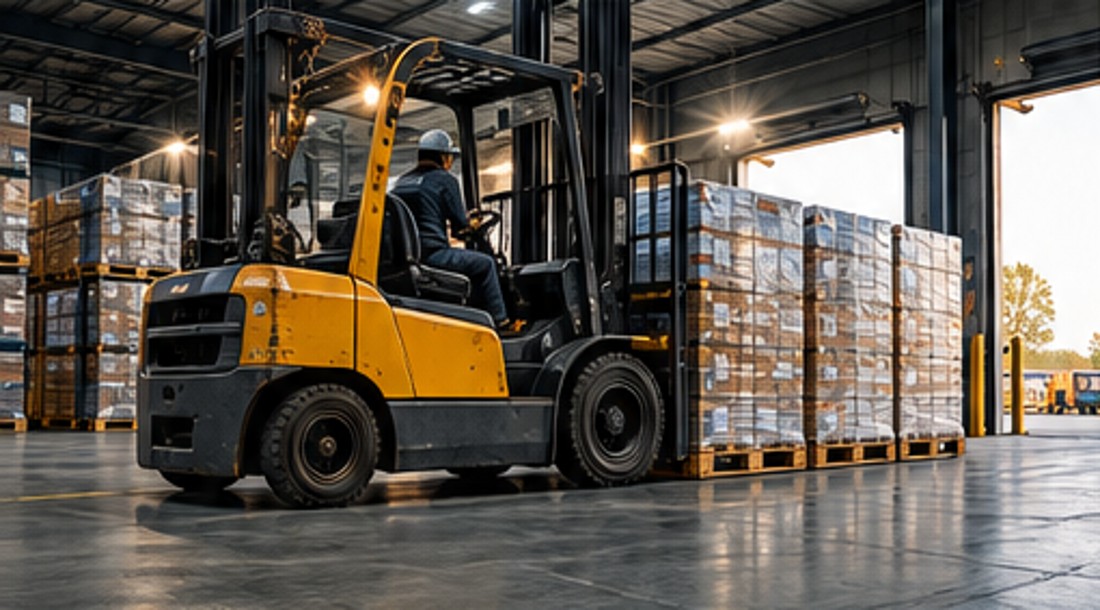
Forklift moving palletized freight inside a warehouse

Full Truckload Shipping

Dedicated trailer capacity for your shipment.

FTL generally uses a trailer for one shipper's freight. It may be a better fit when your shipment needs dedicated space, specific equipment, or fewer handling points.

  • Dedicated trailer and equipment options
  • Potentially fewer freight handling events
  • Pickup and delivery scheduling flexibility
  • Rates depend on lane, capacity, timing, and equipment
Full truckload tractor trailer on the highway

LTL vs. FTL: Key Differences

Use this side-by-side guide to compare transportation approaches.

FactorLTL FreightFull Truckload (FTL)
Trailer spaceShared with other shipmentsTypically dedicated to one shipper
Shipment fitFreight that does not need an entire trailerFreight that benefits from dedicated capacity or equipment
Pricing approachInfluenced by weight, dimensions, freight class, lane, and accessorialsInfluenced by lane, equipment, market capacity, and schedule
TransitOften moves through a shared-carrier network with scheduled stopsMay offer more direct routing, depending on service arrangements
HandlingMay involve multiple terminal or transfer touchesOften fewer handling events between pickup and delivery
Best considerationWhen shared capacity meets your shipment and delivery needsWhen dedicated space, timing, or handling requirements matter

Actual rates, transit times, and service options depend on your specific shipment and provider availability.

Which Option Is Right for You?

There is no one-size-fits-all answer. Share your origin, destination, freight dimensions, weight, commodity, timing, and any special requirements so we can review the transportation options for your specific shipment.

Request a Freight Quote →

Frequently Asked Questions

How do I know whether LTL or FTL is right?

Start with the size, weight, delivery timing, handling requirements, and whether your freight needs a dedicated trailer. A shipment-specific quote request can help compare suitable options.

What information do I need to get a quote?

Provide pickup and delivery ZIP codes, commodity, weight, dimensions, pallet or handling-unit count, desired dates, and any liftgate or limited-access requirements. Use our freight quote form.

Can FTL make sense without a full trailer?

Yes. A dedicated trailer may be appropriate for handling, scheduling, equipment, or service reasons even if it is not filled completely. Learn about FTL shipping.

Ready to ship?

Get a Freight Quote for Your Shipment

IBH Logistics supports business freight quote requests for LTL and full truckload transportation.

Request a Freight Quote →